




EVALUATING ROASTED COFFEE & IDENTIFYING THE KEY FLAVORS THAT CREATE SPECIALTY COFFEE
In the coffee roasting process, many roasters have been disappointed when a batch didn't achieve the desired flavor. Trial and error is inevitable, but properly evaluating the roasting process and controlling key variables will help you shorten the time and quickly find the optimal roast profile.
1/15/20263 min read
Imagine this: you've just roasted a fresh batch of coffee, waited a few days for the beans to settle, ground them, brewed a cup, and eagerly tasted it. Hmm… what a disappointment. The coffee doesn't taste what you expected, it's not even good.
This happens to many roasters. Trial and error is an integral part of the roasting process, and finding the “perfect” roast profile can take days, months, or even longer. But that’s part of the journey of building each roastery’s unique flavor profile.
However, a systematic evaluation of the roaster and the entire process will help you achieve the desired results faster and more efficiently. In this article, we will present the key factors that will help you evaluate roasted coffee, identify flavors, and eliminate problems early on.
1. Distinguishing between coffee beans and defects.
Start by having a clear discussion with the coffee supplier about the type of beans you're looking for, as well as your experience with coffees you've tried before. This makes it easier for both parties to identify the coffees that best suit your roasting preferences and taste.
However, some coffees will still fall short of expectations – that's normal. To ensure quality, you should sort your green coffee beans before roasting. The SCA (Specialty Coffee Association) sorting system is a standard method for comparing coffee beans and assessing the relationship between defects and cup quality.
Classification criteria include: color, bean size, growing region, altitude of cultivation… Careful selection of coffee beans helps you assess their flavor potential even before roasting begins.
2. Is your roasting method suitable?
Each specialty coffee has its own unique characteristics and deserves a different approach. You can't use one roasting profile for all beans and expect great results.
While there are general principles for each origin or processing method, you still need to observe and listen to the coffee beans in the roaster . Research, experiment, evaluate the results, and adjust to find the method that best suits each type of coffee.
3. Record the roasting process.
Recording the roasting process using software allows you to analyze the entire process before making a sensory evaluation. The roasting record is a collection of data (temperature, time, technical adjustments) presented in graphs or tables, helping you understand what happened throughout the roasting batch.
The OTL Profiler software allows you to store and export roasting profiles, making it easy to identify areas for improvement in subsequent roasts. Once you've found the ideal roasting profile, you can retrieve and reuse it, or even play it back precisely.
In addition, OTL's automated roasting system can save and repeat roasting records without constant supervision, saving time and labor costs for roasters.
4. Prepare the coffee for evaluation (cupping).
When evaluating roast batches, ensure that the rinsing and cooling times are consistent across batches. After roasting, the coffee needs to be degassing for the same amount of time – whether it's 2, 3 days, or according to personal preference – but consistency is key.
Grind coffee
Use a dedicated tasting grinder that is accurately calibrated. Not only is the grinding setting important, but the grinder itself needs to be capable of consistent grinding. Ensure the blades are clean, properly aligned, and not worn, as degraded blades will produce inconsistent results.
The importance of water
Water is the main ingredient in a cup of coffee and acts as a solvent in the extraction process. If you notice any strange chemical or mineral flavors, the cause is most likely the water quality.
Ensure a stable water supply that meets SCA standards. Installing a filtration system and monitoring water parameters will help eliminate this factor when evaluating the coffee.
5. Common flavors and their meanings
Smoke smell
Smoky odors often arise from the roasting method. Common causes include insufficient airflow in the roaster or roasting in too dark a space. While difficult to eliminate completely, adjusting the airflow properly can significantly reduce unwanted smoky odors.
With OTL roasters, the airflow is optimized to ensure the beans have the lightest smoky flavor, or even just the natural aroma of roasted coffee.
Acidity (sour taste)
Acidity is greatly influenced by roasting temperature and speed. Roasting at too high a temperature can reduce acidity, cause scorching, and make the coffee develop too quickly, preventing the natural sweetness from developing properly.
Sweetness develops after acidity, so balancing these two elements is crucial.
Sweetness in bitterness
Sweetness is one of the most highly valued elements in specialty coffee. The full development of the coffee bean, from the yellowing stage to the first crack, allows the sugars in the bean to caramelize, creating sweetness and depth of flavor.
Extending this stage appropriately will increase complexity, but roasting for too long can diminish the brightness of the coffee.
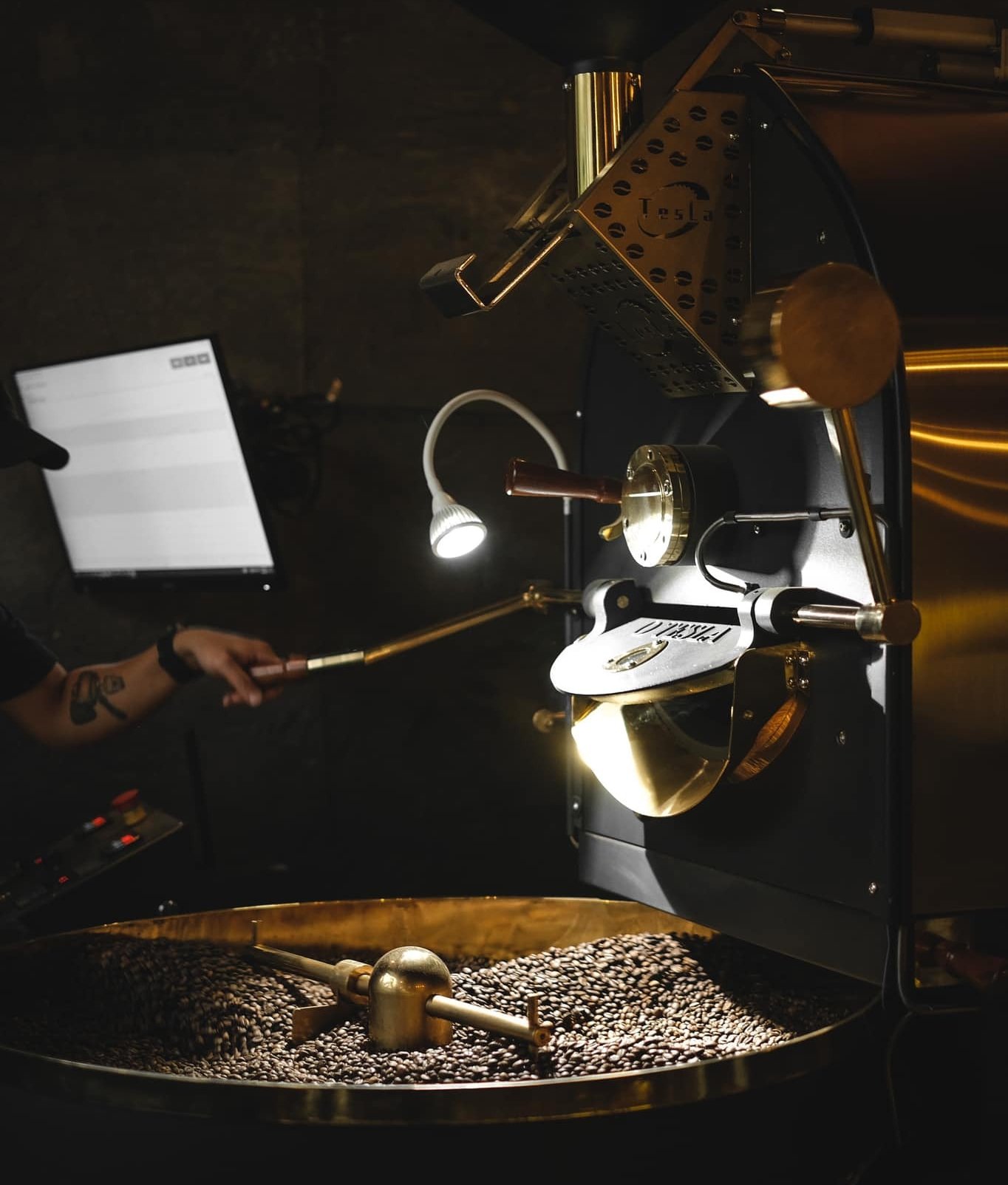
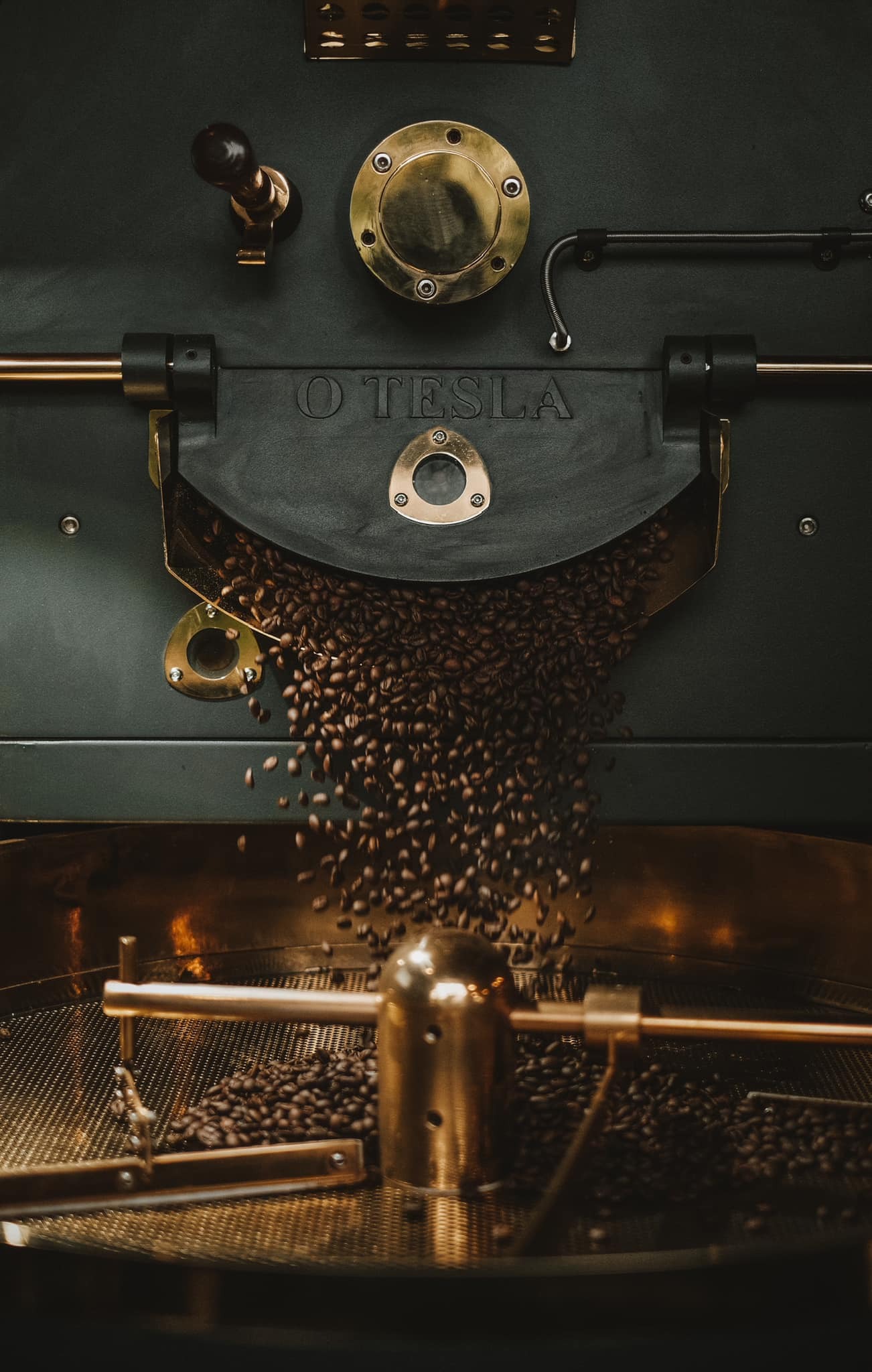
OTL – ROASTING MACHINE SOLUTIONS FOR SPECIALTY COFFEE
With years of experience in roasting machine manufacturing and a team certified by SCA, OTL Industrial Co., Ltd. offers OTL roasting machine solutions that precisely control temperature, airflow, and roasting profiles. This allows roasters to reduce errors, increase consistency, and easily discover unique specialty coffee flavors.